
Write down sleep, energy, mood, and movement in a few minutes a day. Over time, you may notice patterns—always pair insights with advice from a licensed professional when needed.
See How to Track What’s Normal?We usually remember only the big moments—a awful morning, a great walk, a late night. A quick daily note catches the quieter stuff too: whether you woke up rested, if you crashed after lunch, or if your shoulders felt tight by evening. When you write down the same few things each day, patterns show up: maybe a walk helps your mood, or late screens mess with your sleep.
You don’t need a perfect streak. You’re learning what’s normal for you—not comparing yourself to anyone else. After two to four weeks, many people see links between simple habits (more water, a walk outside, an earlier wind-down) and how they feel. Small tweaks work better than trying to change everything at once.
Keep it short: a number, a word, one line. Showing up matters more than writing a novel. On review day, you’ll have something real to look at instead of guessing.

Pick a few things you can log in under three minutes. Sleep hours and how rested you feel (0–10) are a solid start. Add morning energy and how you feel after lunch. Mood can be one word—calm, tired, wired—plus how strong it feels (1–5). Stress: how full your plate feels today (1–5). Movement: minutes of walking, stretching, or strength—not every step your phone counts.
Water and coffee are optional but handy when energy jumps around. Note glasses of water and your last coffee; limiting caffeine to the morning hours may support sleep for some people—not everyone responds the same. If your neck or back feels tight, note it simply (“neck tight 3/5”)—that’s awareness, not a diagnosis.
Simple notes you actually write beat a fancy tracker you abandon after a week.
Hours in bed and hours actually asleep can differ. If you’re in bed eight hours but only sleep six, write both. Many people feel better when most of their time in bed is real sleep. Waking up around the same time—even on weekends—often helps more than sleeping in huge chunks once in a while.
Rate energy three times: after waking, mid-afternoon, and early evening. If everything sits around 4/10 all day, you may need more rest. A crash after lunch might tie to lunch itself, too much coffee, or too little daylight. One short note (late meeting, skipped lunch, walk outside) makes patterns easier to spot later.
Even ten minutes outdoors after waking can lift alertness through light and gentle cardio. Log minutes and how you felt afterward.
Two short strength sessions a week—legs, push, pull—are enough for many people. Note how hard it felt (1–10).
Try calm, restless, focused, or scattered. Over time you’ll see which days and habits show up before your better moods.
Tracking works best when it sits beside habits you already have. Link your check-in to brushing teeth, making coffee, or shutting down your laptop. Visual cues—a notebook on the nightstand, a pinned phone widget—beat relying on memory after a long day.
If you miss a day, log “missed” rather than inventing numbers. Gaps are data too; they often show travel, deadlines, or social weeks. When you return, pick up the same three fields instead of restarting a bigger template. That keeps the practice lightweight enough to survive busy seasons.
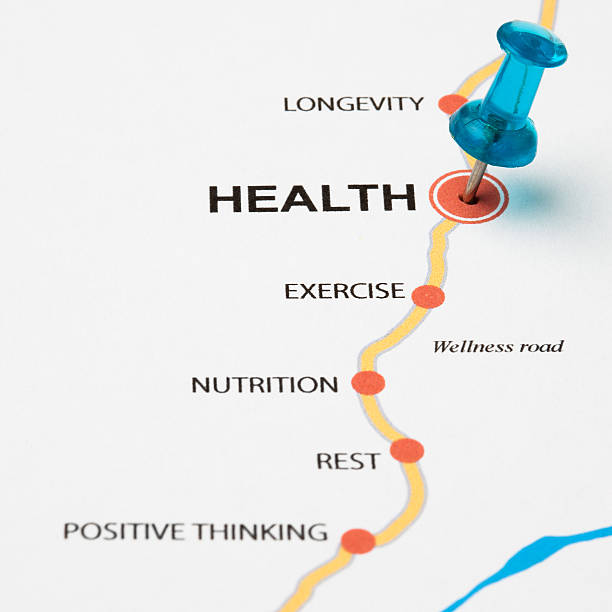
Skim last week’s log. Note average sleep and lowest energy day. Choose one focus habit for the next seven days.
See if the habit fit real life. If you only did it a couple of days, try an easier version or a better time—not a bigger goal.
Plan movement for the weekend and a simple wind-down if social plans run late.
Compare mood tags and energy averages. Write two sentences: what helped, what felt heavy. That becomes next week’s experiment list.
U.S.-based educational publisher in Atlanta, GA. See our About page for mission, contact details, and editorial standards.
We do not diagnose, prescribe, or sell treatments. Content is for learning only. Talk to a licensed provider for personal health decisions.
Read our Privacy Policy, Cookie Policy, and Terms of Use.
Learn what to track, see general reference ranges from public health sources, try gentle movement ideas, and run a short weekly check-in.
Contact Us Weekly Check-In Guide